

Getting to Know the Section 179 Vehicle Deduction
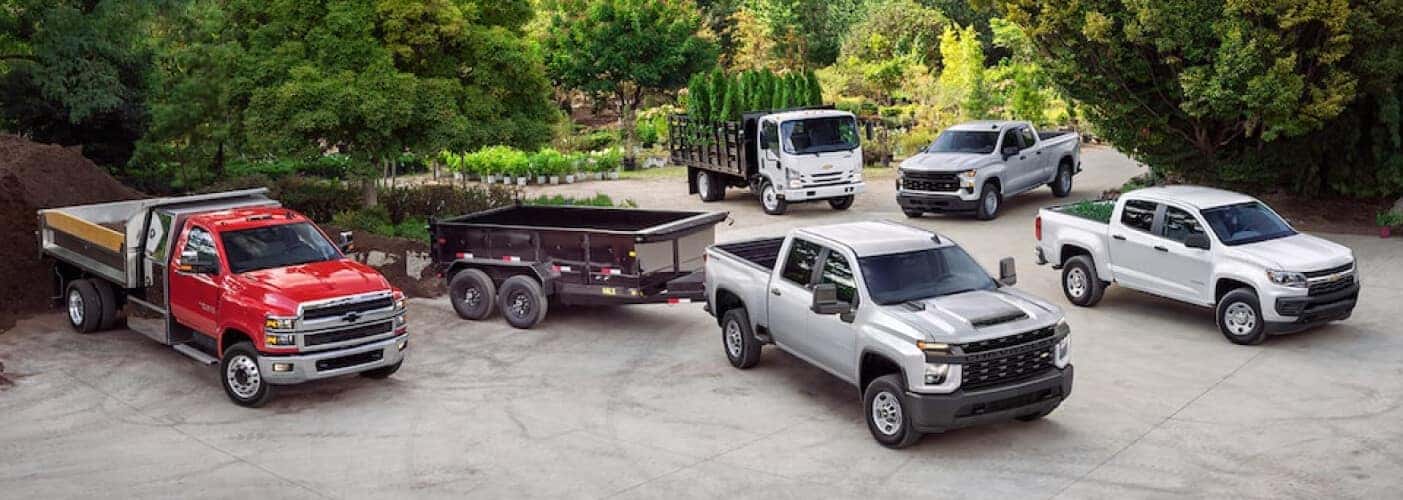
Any owner of a small- or medium-sized business that uses vehicles for business needs to be familiar with Section 179 tax deduction and know about it before they give their documents to their tax accountant. Section 179 of the Internal Revenue Tax Code allows business owners to write off up to the total purchase amount of a truck, van, or SUV instead of depreciating it a little over several years. The primary requirement is that it must be used more than 50% of the time for business purposes. Also, the bigger the vehicle, the better in terms of this deduction. Section 179 also applies to other capital expenses, such as equipment and software placed in service during the year. The deduction can go up to $1.16 million for 2023 (the figure adjusts for inflation). Two general limits on the allowance’s use include:
- The allowance cannot exceed a business owner’s income from all trades or businesses they own.
- The allowance phases out if the total amount of qualified assets placed in service in a year exceeds $2.89 million for 2023. This figure also indexes for inflation.
Thus, a business may not claim an IRC Section 179 expense allowance in 2023 if assets placed in service during the year reach or exceed $4.05 million ($1.16 million + $2.89 million). These limits keep the deductions focused on benefitting small businesses.
Qualifying Chevrolet Models
Because the code is primarily designed to help businesses that need large vehicles, a more significant deduction can be made for larger vehicles. The Section 179 qualifications for vehicles to deduct 100% of the purchase price include:
- Apparent non-personal “work” vehicles (dump truck, backhoe, farm tractor, etc.)
- Specialty vehicles with a specific use (hearse, ambulance, etc.)
- Delivery use vehicles (cargo vans, box trucks)
- Heavy SUVs, pickups, and vans over 6,000 lb. GVWR
- Road-going vehicles under 6,000 lb. can qualify for a deduction of less than 100% of the purchase price.
Consequently, Chevrolet GMC and Buick lineups qualify for Section 179 in the following ways:
Up to 100% of purchase price
- Silverado 1500 / 2500 / 3500 – Standard and Long Bed
- Silverado 3500 HD Chassis Cab
- Express Cargo Van
- Express Passenger Van (10+ passenger seating only)
- Express Cutaway
Up to $25,000
Plus up to 80% of the remaining purchase price plus standard depreciation
Other trucks, passenger vans, and SUVs – GVWR greater than 6,000 lbs.
- Silverado 1500 – Short Bed
- Tahoe
- Suburban
- Traverse
- Colorado
- Express Passenger Van (below 10 passenger seating)
Up to $20,200
- The rest of the Chevrolet lineup, though deducting a Camaro or Corvette, may raise some eyebrows.
Usage Qualifications
A vehicle deducted under Section 179 must be registered in the business name for which you will take the deduction. As stated, the primary qualification is that over 50% of the vehicle’s mileage must be for business use. That does not include personal use, nor does it include commuting. A business logo or even full advertising on the exterior does not qualify the commute as advertising. In addition, a driver conducting business calls or a passenger conducting business during the commute is also not considered vehicle business use.
Thus, to qualify a vehicle for Section 179, you must keep mileage records of road-going vehicles to substantiate that more than 50% of its use is for business. This will include the original invoice, mileage logs, and any related expenses that can verify the claim. Some apps for your phone can help you track mileage and expenses. Like other business records, documents that confirm your business use claim should be retained for three years after you file your return in case the IRS audits your tax return.
Vehicles can be used and/or Financed
You can finance a qualifying vehicle over several years and still qualify for the applicable purchase deduction, even if you purchase as late as December 31st. You can make the full applicable deduction, though we do not recommend you wait that long. Buying a used qualifying vehicle will also apply if the vehicle is new to you and the business.
Understanding the Section 179 deduction is essential for any small business owner looking to maximize their tax savings. This is only an introduction to the concept, so Chevrolet of Spring Valley recommends that you consult with your tax professional and stay updated on the latest tax laws to take full advantage of this valuable tax incentive.
