

The History of the Electric Car
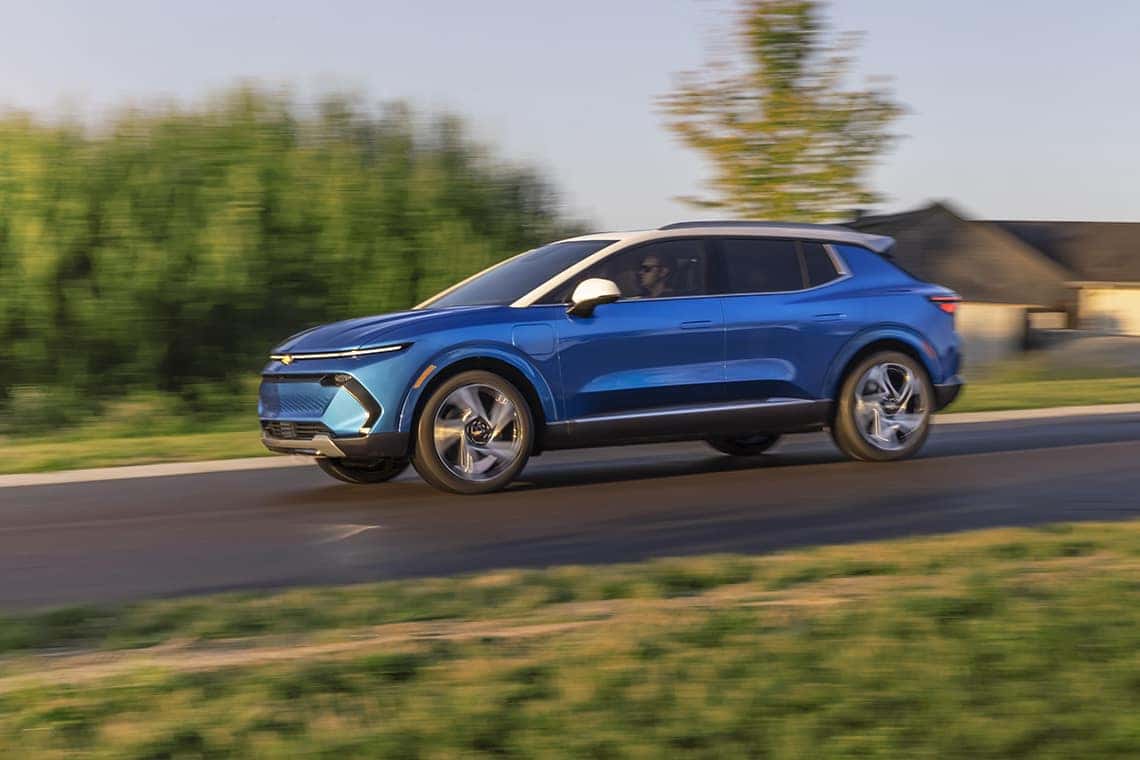
Starting with the 2017 Bolt, Chevrolet of Spring Valley has been selling Electric Vehicle (EV) models for over five years. The Bolt EUV has been added to the EV lineup and there are more EV Chevys coming soon. EVs are definitely the “big new thing” in cars these days. Except, EVs are not as new as one may think. They actually have a longer history than gas-engine automobiles. Let’s take a look at how EVs made their mark at the auto industry’s beginnings and how they are coming back again.
The Pioneer Days (early 1800s – 1920s)
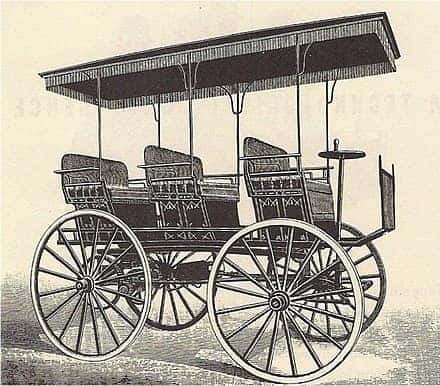 Inventors started mounting electric motors and batteries to carriages as far back as the 1830s. Batteries were not rechargeable at the time, making little more than mechanical experiments. Thus starts the long tradition of electric vehicles being held back by their battery technology.
French physicist Gaston Plante invented the rechargeable battery in 1959, making the electric vehicle more viable. Des Moines, Iowa chemist William Morrison demonstrated his electric carriage at the 1893 Chicago World’s Fair. The publicity of this 6-seater, 4 horsepower, that could go 20 mph and had a range of 50 miles galvanized inventors throughout the U.S. and Europe.
By 1900, automobile companies sprang from workshops all over the country. Three different drivetrains competed for supremacy. Steam was already established in trains and ships. It delivered torque and speed, but starting required waiting for water to boil, and black smoke from burning coal was unwelcome.
The newest technology was the gasoline internal combustion engine (steam engines used external combustion), which smoked less and was more compact. But they required transmissions, were noisy, smelly, and unreliable. Plus, the hand crank start required strength and caused injuries, and gasoline infrastructure was limited at the time.
Comparatively, Electric cars were clean, quiet, smooth, easy to operate, and relatively maintenance-free. Plus, wealthy urban car buyers already had electricity in their homes. However; their batteries limited range to just around the city.
Several early 20th-century events brought an end to the EV’s early period. In 1901, a vast quantity of oil was discovered in Texas, making gasoline relatively inexpensive. Paved roads connecting cities and rural towns and a growing gasoline infrastructure encouraged drivers to venture longer distances. The Ford Model T put vast numbers of inexpensive gasoline-powered cars into average-family homes and farms. Meanwhile, gas engine technology was improving in reliability and efficiency. It was clear by the 20s that the gasoline drivetrain had won.
The Dark Period (1920s – 2012)
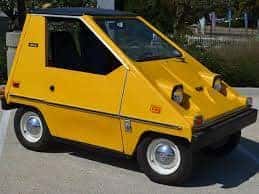
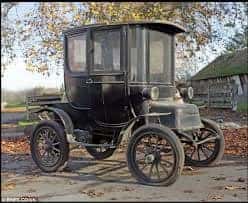 EV development basically went dark for a half-century with electric transportation basically limited to golf carts and warehouse vehicles. Environmental concerns and the mid-east oil embargo brought a brief new interest in EVs but the cars presented were little more than golf carts and 3-wheel motorcycles enclosed in plastic bodies, and none found public acceptance.
By the 90s “global warming” had become a household term and carbon-spewing cars were cited as a major cause. The 1990 California zero-emission vehicle mandate spurred manufacturers to offer a token amount of half-hearted EV attempts. GM, by contrast, invested deeply to produce the 2-seat all-electric EV1. Despite only leasing 800 of them between 1996 and 2003, the car was promoted with great fanfare. It still used a lead-acid battery, but other new technologies enabled the EV1 to reach 80 mph and have a range of 70-90 miles.
More impactful was the Toyota Prius hybrid which was both efficient and a practical 4-door sedan and later hatchback. Though it still ran on gas, its mileage was impressive and gave people a taste of electric operation. Then in 2003, entrepreneurs Martin Eberhard and Marc Tarpenning thought the lithium-ion batteries used in consumer electronics in sufficient quantity could power a car. Tesla Motors was born.
The first Tesla was a Lotus Elise with an electric powertrain conversion. It was quick, and could reach 200 miles between charges, but had a steep price of $109,000. But it caught the attention of investors including Elon Musk.
Restart (2012 – Current )
 While Nissan’s 2012 Leaf 4-door hatchback was the first modern practical EV, it was the months-later debut of the Tesla S that transformed the EV world. Instead of a sports or spartan economy car, it was an aspirational large luxury sedan that was fast, handled well, was luxurious, and sold well. It opened the door for EV development programs by the world’s major automobile manufacturers.
Chevrolet is at the forefront. The Bolt offers 200hp and 259 miles of range in a practical and affordable package. The larger Bolt EUV is similarly affordable and available for order. Soon on their way to our Chevrolet of Spring Valley showroom will be the EV Blazer, EV Equinox, and EV Silverado. These are not simply EV conversions of their namesakes, but rather all-new vehicles with enhanced rethought designs aimed at optimizing the possibilities of electrical power. This time around, and at your favorite Chevrolet dealership, the future of EVs looks bright indeed.

0 comment(s) so far on The History of the Electric Car